
How to Protect Your Home from Bushfire.
How Bushfires Affect Homes
When planning for bushfire protection, it’s important to understand that not all threats are the same.
Bushfire Attack Levels (BAL) are used to describe the level of exposure a home may face from the three main bushfire elements:

Ember Attack

Radiant Heat

Direct Flame
The Problem Most Older Homes Face
For new builds, homes are designed and constructed to meet a specific BAL rating from the ground up.
But many homes in bushfire-prone areas were constructed before current BAL requirements were introduced, and may not be adequately protected
- Had your local area reclassified into a higher BAL rating
- Purchased a home in a bushfire-prone area
- Or seen fire activity increase
There’s a good chance your home isn’t as protected as it could be.
That’s where targeted upgrades come in.
Where Homes Are Most Vulnerable
In a bushfire situation, most homes will fail at the weakest points.
Embers, heat and flame don’t attack evenly. They find gaps, openings and vulnerable areas in the building envelope.
For existing homes, improving bushfire protection isn’t about rebuilding. It’s about strengthening these weak points as best you can and/or is practical.

What BAL Level Are You Working Towards?
BAL 19
BAL 29
BAL 40
BAL FZ
Explore Each Area of Your Home
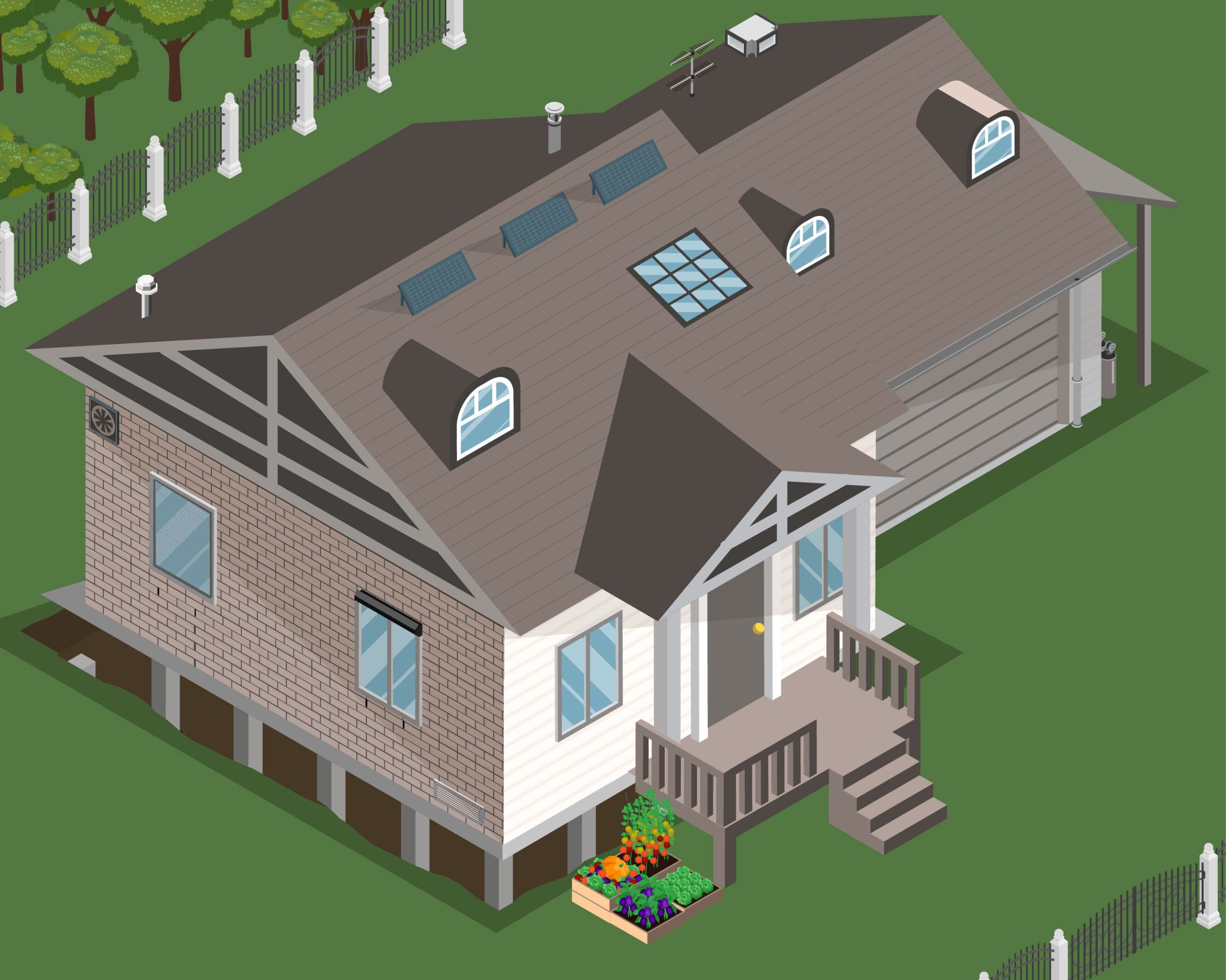
1. Roof & Gable Vents
Open vents are one of the most common entry points for ember attack. They can enter roof cavities and ignite materials out of sight.
Upgrade options:
- Ember mesh for vents
- Fine aperture screening
- Retrofit vent protection systems
2. Gutters & Roof Valleys
Gutters can collect debris, creating ignition points during ember attack. Burning debris combined with embers can lead to fire spreading into the roofline.
Upgrade options:
- Gutter guard mesh
- Non-combustible leaf guards
- Ember-resistant gutter protection
3. Subfloor & Underhouse Areas
Subfloor spaces are often exposed and overlooked. Embers can accumulate underneath the home and ignite structural elements.
Upgrade options:
- Subfloor ember mesh
- Perimeter screening
- Enclosure systems
4. Windows & Doors
Glass and gaps are vulnerable to both ember attack and radiant heat and can allow embers to enter the home.
Upgrade options:
- Ember mesh screens
- Bushfire shutters
- Heat-resistant barriers
5. Weep Holes & Wall Openings
Small openings in brickwork can allow ember entry into wall cavities.
Upgrade options:
- Weep hole mesh inserts
- Ember guards
6. Eaves & Roof Cavities
Open eaves and roof edges are highly exposed and directly exposed to ember attack and radiant heat.
Upgrade options:
- Eave lining protection
- Ember mesh installation
- Sealing solutions
7. Garage Doors & Large Openings
Gaps around garage doors can allow ember entry and increase the chance of internal ignition.
Upgrade options:
- Perimeter seals
8. Roof Penetrations & Services
Gaps and joins where services enter the roof or walls can allow heat and embers to enter.
Upgrade options:
- Sealing systems
- Fire-resistant collars
- Protective mesh
1. Roof & Gable Vents
Open vents are one of the most common entry points for ember attack. They can enter roof cavities and ignite materials out of sight.
Upgrade options:
- Ember mesh for vents
- Fine aperture screening
- Retrofit vent protection systems
2. Gutters & Roof Valleys
Gutters can collect debris, creating ignition points during ember attack. Burning debris combined with embers can lead to fire spreading into the roofline.
Upgrade options:
- Gutter guard mesh
- Non-combustible leaf guards
- Ember-resistant gutter protection
3. Subfloor & Underhouse Areas
Subfloor spaces are often exposed and overlooked. Embers can accumulate underneath the home and ignite structural elements.
Upgrade options:
- Subfloor ember mesh
- Perimeter screening
- Enclosure systems
4. Windows & Doors
Glass and gaps are vulnerable to both ember attack and radiant heat and can allow embers to enter the home.
Upgrade options:
- Ember mesh screens
- Bushfire shutters
- Heat-resistant barriers
5. Weep Holes & Wall Openings
Small openings in brickwork can allow ember entry into wall cavities.
Upgrade options:
- Weep hole mesh inserts
- Ember guards
6. Eaves & Roof Cavities
Open eaves and roof edges are highly exposed and directly exposed to ember attack and radiant heat.
Upgrade options:
- Eave lining protection
- Ember mesh installation
- Sealing solutions
7. Garage Doors & Large Openings
Gaps around garage doors can allow ember entry and increase the chance of internal ignition.
Upgrade options:
- Perimeter seals
8. Roof Penetrations & Services
Gaps and joins where services enter the roof or walls can allow heat and embers to enter.
Upgrade options:
- Sealing systems
- Fire-resistant collars
- Protective mesh
1. Roof & Gable Vents
Open vents are one of the most common entry points for ember attack. They can enter roof cavities and ignite materials out of sight.
Upgrade options:
- Ember mesh for vents
- Fine aperture screening
- Retrofit vent protection systems
2. Gutters & Roof Valleys
Gutters can collect debris, creating ignition points during ember attack. Burning debris combined with embers can lead to fire spreading into the roofline.
Upgrade options:
- Gutter guard mesh
- Non-combustible leaf guards
- Ember-resistant gutter protection
3. Subfloor & Underhouse Areas
Subfloor spaces are often exposed and overlooked. Embers can accumulate underneath the home and ignite structural elements.
Upgrade options:
- Subfloor ember mesh
- Perimeter screening
- Enclosure systems
4. Windows & Doors
Glass and gaps are vulnerable to both ember attack and radiant heat and can allow embers to enter the home.
Upgrade options:
- Ember mesh screens
- Bushfire shutters
- Heat-resistant barriers
5. Weep Holes & Wall Openings
Small openings in brickwork can allow ember entry into wall cavities.
Upgrade options:
- Weep hole mesh inserts
- Ember guards
6. Eaves & Roof Cavities
Open eaves and roof edges are highly exposed and directly exposed to ember attack and radiant heat.
Upgrade options:
- Eave lining protection
- Ember mesh installation
- Sealing solutions
7. Garage Doors & Large Openings
Gaps around garage doors can allow ember entry and increase the chance of internal ignition.
Upgrade options:
- Perimeter seals
8. Roof Penetrations & Services
Gaps and joins where services enter the roof or walls can allow heat and embers to enter.
Upgrade options:
- Sealing systems
- Fire-resistant collars
- Protective mesh
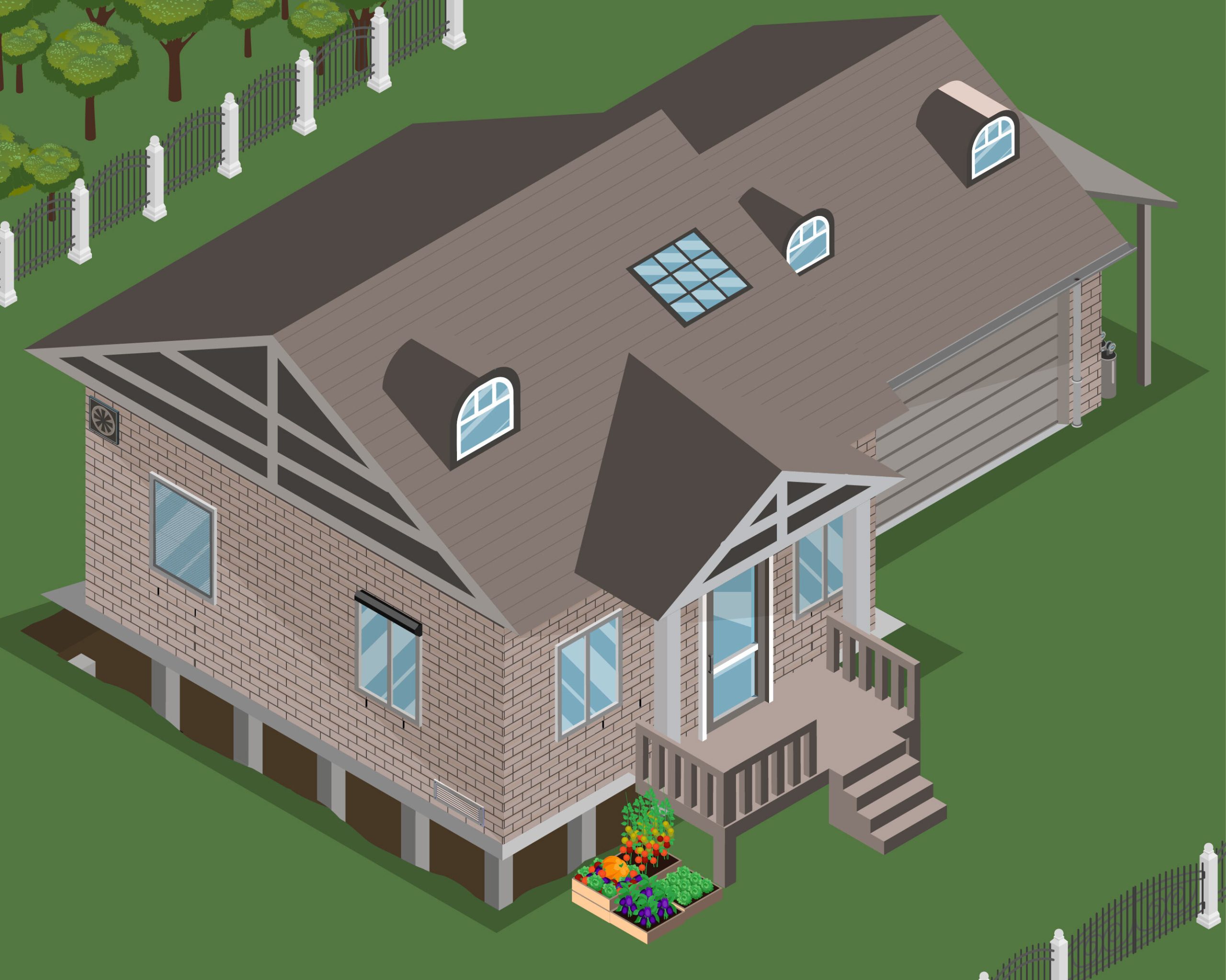
1. Roof & Gable Vents
Open vents are one of the most common entry points for ember attack. They can enter roof cavities and ignite materials out of sight.
Upgrade options:
- Ember mesh for vents
- Fine aperture screening
- Retrofit vent protection systems
2. Gutters & Roof Valleys
Gutters can collect debris, creating ignition points during ember attack. Burning debris combined with embers can lead to fire spreading into the roofline.
Upgrade options:
- Gutter guard mesh
- Non-combustible leaf guards
- Ember-resistant gutter protection
3. Subfloor & Underhouse Areas
Subfloor spaces are often exposed and overlooked. Embers can accumulate underneath the home and ignite structural elements.
Upgrade options:
- Subfloor ember mesh
- Perimeter screening
- Enclosure systems
4. Windows & Doors
Glass and gaps are vulnerable to both ember attack and radiant heat and can allow embers to enter the home.
Upgrade options:
- Ember mesh screens
- Bushfire shutters
- Heat-resistant barriers
5. Weep Holes & Wall Openings
Small openings in brickwork can allow ember entry into wall cavities.
Upgrade options:
- Weep hole mesh inserts
- Ember guards
6. Eaves & Roof Cavities
Open eaves and roof edges are highly exposed and directly exposed to ember attack and radiant heat.
Upgrade options:
- Eave lining protection
- Ember mesh installation
- Sealing solutions
7. Garage Doors & Large Openings
Gaps around garage doors can allow ember entry and increase the chance of internal ignition.
Upgrade options:
- Perimeter seals
8. Roof Penetrations & Services
Gaps and joins where services enter the roof or walls can allow heat and embers to enter.
Upgrade options:
- Sealing systems
- Fire-resistant collars
- Protective mesh
Upgrade Guide — Each Area of Your Home
- Roof & Gable Vents
Open vents are one of the most common entry points for ember attack. They can enter roof cavities and ignite materials out of sight.
Upgrade options:
- Ember mesh for vents
- Fine aperture screening
- Retrofit vent protection systems
- Gutters & Roof valleys
Gutters can collect debris, creating ignition points during ember attack. Burning debris combined with embers can lead to fire spreading into the roofline.
Upgrade options:
- Gutter guard mesh
- Non-combustible leaf guards
- Ember-resistant gutter protection
- Subfloor & Underhouse Areas
Subfloor spaces are often exposed and overlooked. Embers can accumulate underneath the home and ignite structural elements.
Upgrade options:
- Subfloor ember mesh
- Perimeter screening
- Enclosure systems
- Windows & Doors
Glass and gaps are vulnerable to both ember attack and radiant heat and can allow embers to enter the home.
Upgrade options:
- Ember mesh screens
- Bushfire shutters
- Heat-resistant barriers
- Weep Holes & Wall Openings
Small openings in brickwork can allow ember entry into wall cavities.
Upgrade options:
- Weep hole mesh inserts
- Ember guards
- Eaves & Roof Cavities
Open eaves and roof edges are highly exposed and directly exposed to ember attack and radiant heat.
Upgrade options:
- Eave lining protection
- Ember mesh installation
- Sealing solutions
- Garage Doors & Large Openings
Gaps around garage doors can allow ember entry and increase the chance of internal ignition.
Upgrade options:
- Perimeter seals
- Roof Penetrations & Services
Gaps and joins where services enter the roof or walls can allow heat and embers to enter.
Upgrade options:
- Sealing systems
- Fire-resistant collars
- Protective mesh